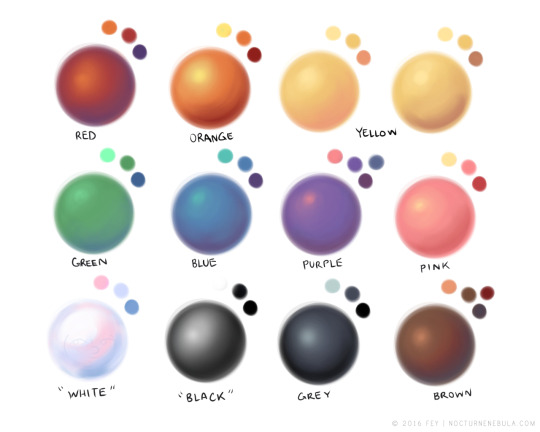
WebGL Wateris a great water simulator, with a sphere that can interact with the water’s surface. It can be paused which means you can then use it as a reference for lighting, reflections, refractions, etc.
my advice: have fun and play–play is learning | always be watching real life to see how things move | also be watching cool animations to learn from them | it’s hard but so worth it when things turn out well, good luck!
adenoidal (adj): if someone’s voice is adenoidal, some of the sound seems to come through their nose
appealing (adj): an appealing look/voice shows that you want help, approval, or agreement
breathy (adj): with loud breathing noises
brittle (adj): if you speak in a brittle voice, you sound as if you are about to cry
croaky (adj): if someone’s voice sounds croaky, they speak in a low, rough voice that sounds as if they have a sore throat
dead (adj): if someone’s eyes or voice are dead, they feel or show no emotion
disembodied (adj): a disembodied voice comes from someone who you cannot see
flat (adj): spoken in a voice that does not go up and down; this word is often used for describing the speech of people from a particular region
fruity (adj): a fruity voice or laugh is deep and strong in a pleasant way
grating (adj): a grating voice, laugh, or sound is unpleasant and annoying
gravelly (adj): a gravelly voice sounds low and rough
gruff (adj): this voice has a rough, low sound
guttural (adj): a guttural sound is deep and made at the back of your throat
high-pitched (adj): true to its name, a high-pitched voice or sound is very high
hoarse (adj): someone who is hoarse, or has a hoarse voice, speaks in a low, rough voice, usually because their throat is sore
honeyed (adj): honeyed words or a honeyed voice sound very nice, but you cannot trust the person who is speaking
husky (adj): a husky voice is deep and sounds hoarse (as if you have a sore throat), often in an attractive way
low (adj): a low voice is quiet and difficult to hear; also used for describing a deep voice that has a long wavelength
matter-of-fact (adj): usually used if the person speaking knows what they are talking about (or absolutely think they know what they are talking about)
modulated (adj): a modulated voice is controlled and pleasant to listen to
monotonous (adj): this kind of voice is boring and unpleasant due to the fact that it does not change in loudness or become higher/lower
nasal (adj): someone with a nasal voice sounds as if they are speaking through their nose
orotund (adj): an orotund voice is loud and clear
penetrating (adj): a penetrating voice is so high or loud that it makes you slightly uncomfortable
plummy (adj): a plummy voice or way of speaking is considered to be typical of an English person of a high social class; this word shows that you dislike people who speak like this
quietly (adj): in a soft, quiet voice
raucous (adj): a raucous voice or noise is loud and sounds rough
ringing (adj): a ringing voice is very loud and clear
rough (adj): a rough voice is not soft and is unpleasant to listen to
shrill (adj): a shrill voice is very loud, high, and unpleasant
silvery (adj): this voice is clear, light, and pleasant
singsong (adj): if you speak in a singsong voice, your voice rises and falls in a musical way
small (adj): a small voice is quiet
smoky (adj): a smoky voice is sexually attractive in a slightly mysterious way
softly spoken (adj): someone who is softly spoken has a quiet, gentle voice
soft-spoken (adj): speaking or said in a quiet, gentle voice
sotto voce (adj, adv): in a very quiet voice
stentorian (adj): a stentorian voice sounds very loud and severe
strangled (adj): a strangled sound is one that someone stops before they finish making it
strident (adj): this voice is loud and unpleasant
taut (adj): used about something such as a voice that shows someone is nervous or angry
thick (adj): if your voice is thick with an emotion, it sounds less clear than usual because of the emotion
thickly (adv): with a low voice that comes mostly from your throat
thin (adj): a thin voice or sound is high and unpleasant to listen to
throaty (adj): a throaty sound is low and seems to come from deep in your throat
tight (adj): shows that you are nervous or annoyed
toneless (adj): does not express any emotion
tremulous (adj): if your voice is tremulous, it is not steady; for example, because you are afraid or excited
wheezy (adj): a wheezy noise sounds as if it is made by someone who has difficulty breathing
wobbly (adj): if your voice is wobbly, it goes up and down, usually because you are frightened, not confident, or are going to cry
booming (adj): very loud and attention-getting
quavering (adv): if your voice quavers, it is not steady because you are feeling nervous or afraid
a voice like a foghorn: very loud voice
in an undertone: using a quiet voice so that someone cannot hear you
someone’s dulcet tones: the sound of someone’s voice as they speak
A Nonny asked for how to describe voices and I found this so here you go!
“This is your daily, friendly reminder to use commas instead of periods during the dialogue of your story,” she said with a smile.
“Unless you are following the dialogue with an action and not a dialogue tag.” He took a deep breath and sat back down after making the clarifying statement.
“However,” she added, shifting in her seat, “it’s appropriate to use a comma if there’s action in the middle of a sentence.”
“True.” She glanced at the others. “You can also end with a period if you include an action between two separate statements.”
Things I didn’t know
“And–” she waved a pen as though to underline her statement–“if you’re interrupting a sentence with an action, you need to type two hyphens to make an en-dash.”
You guys have no idea how many students in my advanced fiction workshop didn’t know any of this when writing their stories.
“This is your daily, friendly reminder to use commas instead of periods during the dialogue of your story,” she said with a smile.
“Unless you are following the dialogue with an action and not a dialogue tag.” He took a deep breath and sat back down after making the clarifying statement.
“However,” she added, shifting in her seat, “it’s appropriate to use a comma if there’s action in the middle of a sentence.”
“True.” She glanced at the others. “You can also end with a period if you include an action between two separate statements.”
Things I didn’t know
“And–” she waved a pen as though to underline her statement–“if you’re interrupting a sentence with an action, you need to type two hyphens to make an en-dash.”
You guys have no idea how many students in my advanced fiction workshop didn’t know any of this when writing their stories.
ok but like when did self-sacrifice become synonymous with death? writers seem to have forgotten that people can make personal sacrifices for the greater good without giving their lives. plots about self-sacrifice and selflessness don’t always have to end in death. suffering doesn’t have to be mourning. you can create drama and emotional depth on your show without killing everyone. learn to explore the meaning of living rather than dying
Death. Is. NOT. The. Only. Way. To. Advance. The. Narrative.
Fun things to sacrifice for your loved ones in your free time that don’t include death and actually set up for a whole new season of high level drama:
– humanity (mostly applicable to sci-fi/supernatural genre) – memories (mostly applicable to sci-fi/supernatural genre) – love for that special someone (mostly applicable to sci-fi/supernatural genre) – emotions (mostly applicable to sci-fi/supernatural genre) – rank/position/ – yourself/your brain/your skills (give yourself over to bad guys and become their brainwashed agent so your loved ones live) – years of bloody ruthless traditions to make way for peace (hi lexa and fuck jroth tbh) – freedom (includes that of speech/mind/will) – your grandpa’s fortune – hell even material possessions have that girl sacrifice her goddamn house so they can pay off her gf’s student loans or whatever juST STOP KILLING CHARACTERS TO FURTHER YOUR PLOT
Other things to sacrifice:
– your most sought-after goal
– a strongly-held belief or conviction
– your own chance at happiness
other fun things to sacrifice:
-a finger -an eye -10-20 years of your life -some of your vitality or dexterity -your ability to magically see in the dark -your proficiency in battle axes -your good looks -your memory of the man who killed your wife -everything but your head
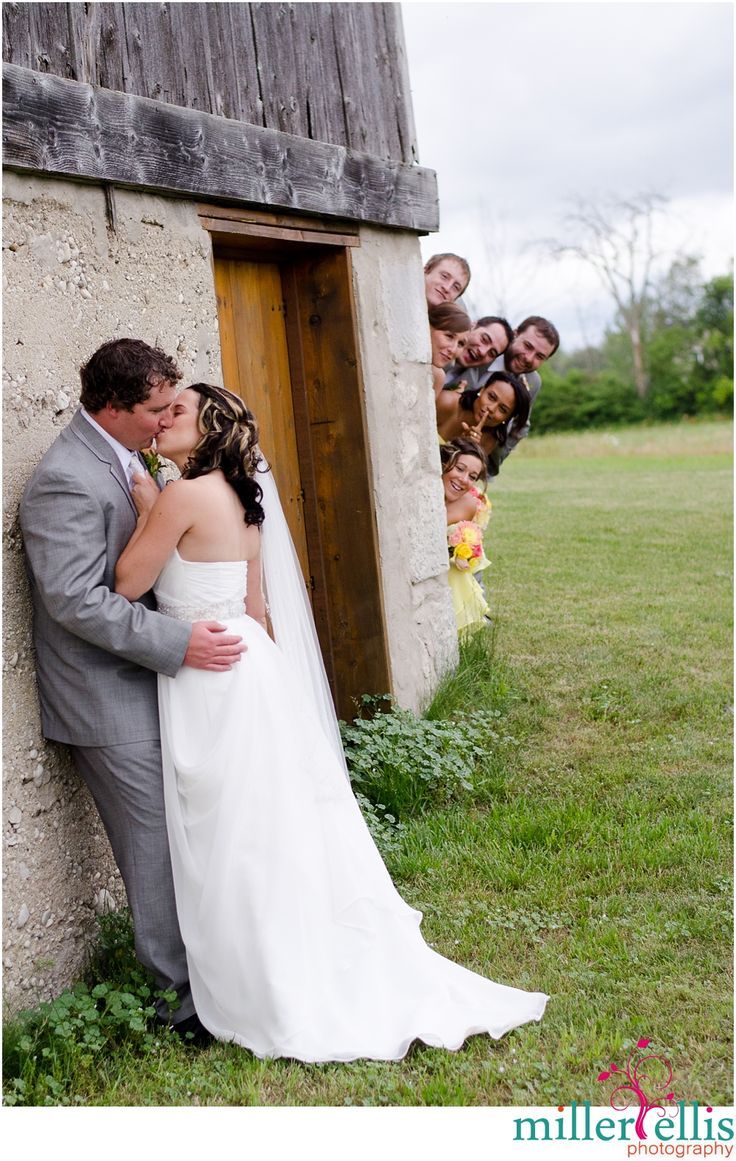
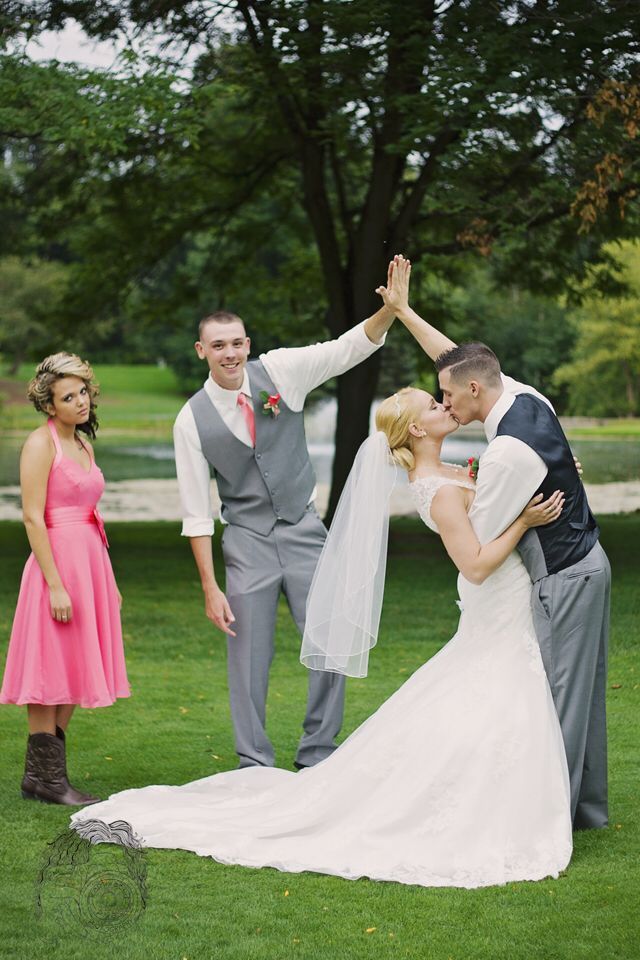
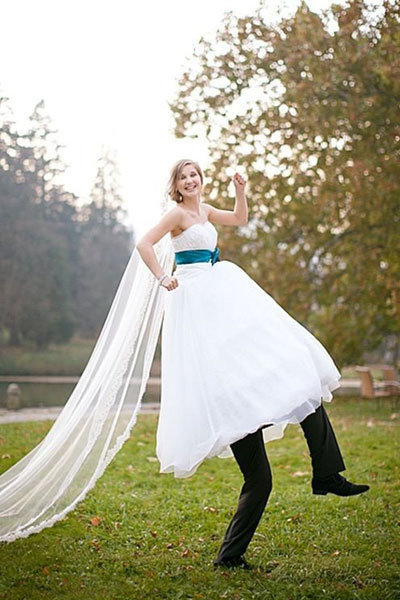
So I looked up funny wedding photos and I was not disappointed.
Like
These are all so wholesome and make for great draw the otp/draw the squad things for when you want to draw characters getting married but also be total dorks.



 Raf's rants